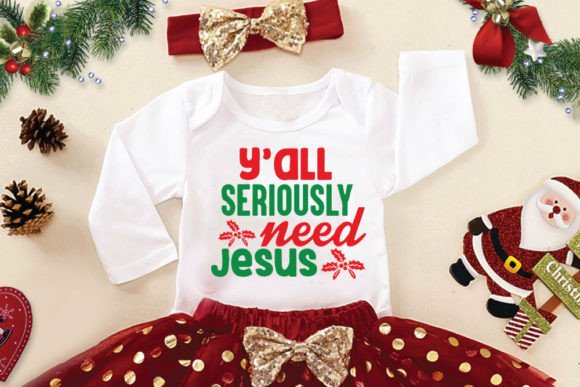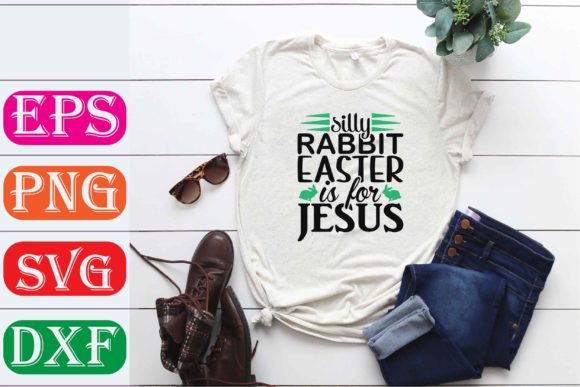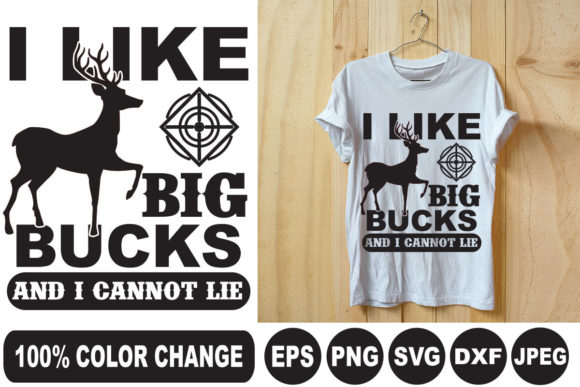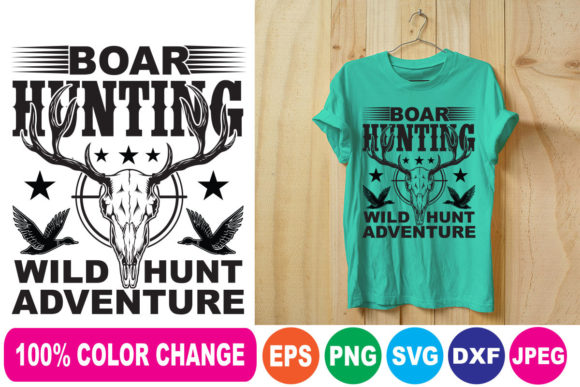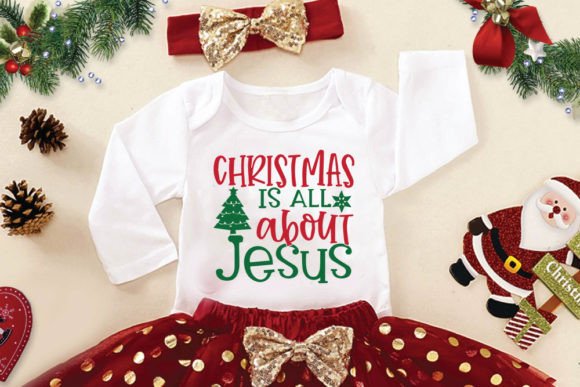
Christmas Is: A Design Worth Stitching Into Your Holiday Line
When I first opened the Christmas- T-shirt Design, Christmas is file, I was expecting the usual holiday cliché—something overloaded with snowflakes, Santas, and reindeer packed into every corner. Instead, I found a piece that actually breathes. There is a restrained confidence here, a layout that understands machine embroidery design is not the same as graphic design. The mood is warm but not busy, classic but not dated. It greets you like a well-worn holiday card: familiar enough to feel like home, smart enough to deserve a second look.
For anyone running a craft business or curating a holiday collection for their Etsy seller shop, this is the kind of embroidery file that can anchor a whole product line. It does not scream for attention—it earns it.
First Stitch Impressions: Why the Layout Works for Real Embroidery
The visual personality of Christmas- T-shirt Design, Christmas is leans into a kind of gentle, typographic charm. It is not a dense illustration with dozens of thread changes. Instead, it relies on shape and spacing to carry the message. That is a huge advantage when you are stitching custom apparel that needs to feel polished without taking half a day to hoops. The lettering is clear, with enough weight to hold its own on a sweatshirt embroidery or a tote bag design, but not so heavy that it dominates the garment.
I tested it on a cream-colored handmade product—a simple canvas tote that I wanted to offer as a holiday gift item. The satin stitch elements in the design caught the light nicely. The fill stitch areas were smooth, and the running stitch accents added just enough texture to keep the eye moving. There is a hand-drawn quality here that feels deliberate, not accidental. That is hard to pull off in a digital embroidery file.
Real Case: Prepping a Holiday Tote Bag for a Small Shop Run
Let me walk you through the exact scenario I ran with this design. I had a client—a boutique owner who wanted a limited run of holiday tote bags for her shop window. She needed something that looked premium but could be produced in batches of thirty without burning out her single-head machine. We settled on Christmas- T-shirt Design, Christmas is because it had the right balance of presence and stitch efficiency.
I hooped a medium-weight cotton canvas, used a tear-away stabilizer with a light topping, and ran a test on a scrap piece first. That test revealed something important: the design reads beautifully on lighter fabrics, but on a dark navy canvas, I needed to adjust the thread colors slightly to keep the lettering crisp. The original palette worked, but swapping in a bright white and a warm gold made the piece pop against the dark background. That is a quick, easy fix—and the kind of flexibility this design allows without breaking the file.
The finished totes sold out in three days. Customers commented on how the embroidery felt substantial but not stiff. That is the sweet spot every apparel decorator aims for.
Where It Shines: Best Applications for This Design
Based on my stitching trials, here is where Christmas- T-shirt Design, Christmas is performs best:
- Custom apparel like t-shirts, sweatshirts, and hoodies—the weight of the design matches the weight of these fabrics.
- Embroidered patch projects—the shapes are clean enough to digitize into a patch format without losing detail.
- Baby embroidery items, such as bibs or onesies, if you scale the design down and check the stitch density first.
- Pillow cover and kitchen towel applications—the design sits nicely on rectangular surfaces.
- Holiday embroidery gifts like personalized totes, aprons, or even a simple cap embroidery if you keep the design centered on the front panel.
- Printable mockup and design assets for Etsy listings—the clean layout photographs well in product previews.
Where to Use It Carefully: The Limits You Need to Know
No design is perfect for every surface. Christmas- T-shirt Design, Christmas is has a few edges that require attention:
- Small hoop sizes: If you are working with a 4x4 hoop, you may need to scale the design down, and that can affect the readability of the lettering. Test before committing to a batch.
- Textured fabrics: Fleece, thick knits, or heavily textured sweaters can swallow the finer stitches. Use a stabilizer with more body and consider a medium-weight topping.
- Stretchy fabric: On jersey or lightweight knits, the fill stitch areas may pull if the fabric is not hooped tightly. Always test on a scrap piece of the same fabric you plan to use.
- Curved surfaces like caps: The design is not naturally curved, so you would need to rotate or adjust the layout for a hat front. It can work, but it takes extra digitizing thought.
- Frequent washing: For items like kitchen towels or baby clothes that see heavy laundering, use a high-quality stabilizer and check the thread tension. The design holds up well, but the fabric choice matters more here.
How It Affects Product Value and Customer Trust
When you stitch Christmas- T-shirt Design, Christmas is onto a finished product, you are making a statement about your brand. This design does not look cheap. It does not look like a generic clip-art conversion that was run through auto-digitizing. It has a thoughtful rhythm that translates into higher perceived value. Customers who receive a personalized gift with this embroidery will notice the difference—even if they cannot name why.
For small shop merchandise and craft fair products, this design helps build brand consistency. If you use it across multiple items—a t-shirt, a tote, a pillow cover—you create a cohesive holiday look that feels intentional. That kind of consistency drives buyer engagement and repeat sales. People remember the shop that had the beautiful holiday embroidery.
Giftability is another factor. A tote or sweatshirt with this design feels special enough to give as a holiday present. That means you can price it higher. Your finished product becomes something people are proud to hand to a friend or family member.
Practical Designer Notes for a Smooth Stitch-Out
I have learned a few things from running this design through multiple projects. Here is what I would tell any embroidery designer or digital product seller before they hit start:
- Test on scrap fabric first. Always. Run a full stitch-out on a piece of fabric similar to your final product. Check the tension, the stitch density, and the overall balance.
- Check thread color contrast. The design works beautifully with a high-contrast thread-to-fabric relationship. Test it in black and white mockups first to see if the shapes hold their visual weight.
- Review stitch density. If you are working with a lightweight fabric, reduce the density slightly to avoid puckering. For heavier fabrics, keep it as-is.
- Confirm hoop size compatibility. Make sure the design fits your hoop without excessive rotation. Check the hoop size before you load the file onto your machine.
- Inspect small details. Zoom in on any narrow lines or tight curves. If the design has fine elements, make sure your needle size and thread weight can handle them without breaking.
- Compare light and dark fabric backgrounds. The same design reads differently on white versus black. Stitch a sample on both if you plan to offer color options.
- Use proper stabilizer. A medium-weight cutaway or tear-away works for most applications. For stretchy fabrics, use a stabilizer with more stability.
- Check licensing before selling. If you are producing commercial embroidery items or selling digital embroidery file copies, confirm the usage rights. Do not assume—read the terms.
Is It Right for Your Next Project?
If you are a creative entrepreneur looking for a holiday design that feels both professional and warm, Christmas- T-shirt Design, Christmas is is worth a close look. It fits naturally into T-Shirt Designs and categories, but it stretches easily into applique design work, patch projects, and even home decor. The file handles real stitching conditions without excessive drama. It does not overpromise. It just works.
That is rare in the world of machine embroidery design. Lots of files look great on screen and fail on fabric. This one holds its ground. Whether you are stitching a single personalized gift for a family member or producing a full run of small shop merchandise for the holiday market, this design gives you a clean, credible foundation.
Just remember: test your materials, mind your stabilizer, and always stitch a sample before you commit to a batch. That is not a knock on the design—that is just smart embroidery. And a design this good deserves to be shown in its best light.