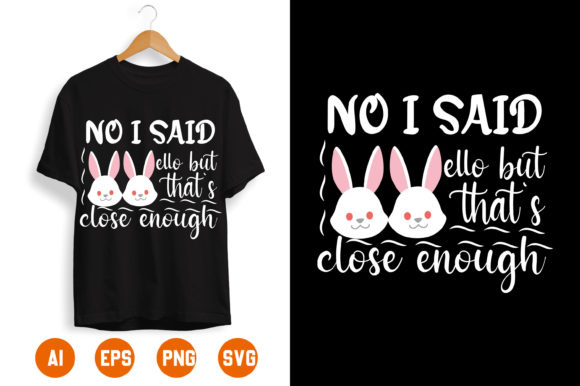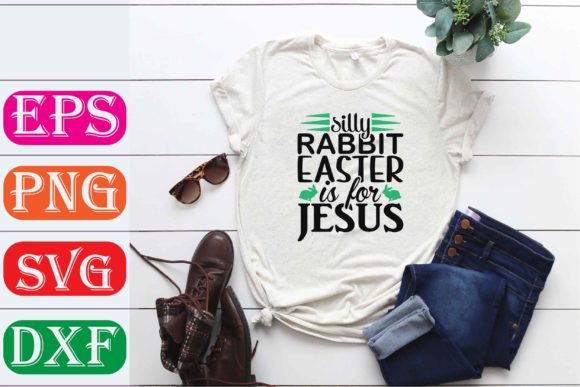
Easter SVG Design. Silly Rabbit Easter I
The first thing that struck me when I opened the Easter SVG Design. Silly Rabbit Easter I was how easily it balances playful humor with clean, stitch-friendly lines. As someone who has run more test stitches than I care to count, I have learned to spot potential trouble before the needle ever drops. This design does not scream for attention with overdone embellishment. Instead it lands with a quiet confidence, the kind that makes you nod and think, "Yes, that will move." The silhouette is clear, the expression on the rabbit reads as genuinely silly without being cluttered, and the overall composition feels intentional. It belongs to the T-Shirt Designs category, and that makes immediate sense, though I found its usefulness stretches far beyond basic apparel.
What I appreciate most upfront is the restrained detail level. There is enough character to make the design memorable, but not so much that it becomes a nightmare to digitize or stitch. The rabbit's posture, the tilt of the ears, the small humorous cue in the expression, all of it reads well at a glance. For a holiday design, that is half the battle. Customers buying Easter projects want something that feels fresh, not recycled. This delivers that without trying too hard.
Stitching This Design on a Real Project
I recently pulled the Easter SVG Design. Silly Rabbit Easter I into a project for a set of custom Easter tote bags. My client runs a small handmade shop and wanted something that felt personal but also sturdy enough for farmers market use. The bags were medium-weight cotton canvas, a fabric I generally trust with most embroidery files, but I still wanted to see how the design would behave after repeated handling and washing.
The first test stitch was a relief. The satin stitch areas held clean edges, the fill stitch sections packed evenly without distorting the fabric, and the running stitch accents gave the rabbit's face just enough definition. I used a medium weight cutaway stabilizer and a 40 weight polyester thread in bright pastels, and the design sat beautifully. The tote bag became an instant conversation starter at the client's shop. People stopped to ask about it, and several orders followed. That is exactly the kind of response you want from a handmade product that relies on visual charm to close the sale.
I also tested it on a lightweight toddler sweatshirt, knowing that baby embroidery requires a gentler touch. I downsized the design slightly and used a tearaway stabilizer with a layer of soft mesh underneath. The result was just as solid. No puckering, no distortion, no lost detail. The rabbit's expression remained readable even at a smaller scale, which tells me the original artwork was built with flexibility in mind.
Where This Design Feels Most at Home
After working with the Easter SVG Design. Silly Rabbit Easter I across several substrates, I have a clear sense of where it performs best. The obvious starting point is custom apparel. T-shirts, sweatshirts, hoodies, all of these benefit from the design's centered composition and moderate size. It does not fight the garment shape. It sits where you put it and lets the fabric do the rest.
Beyond shirts, I found it worked exceptionally well on tote bag designs and embroidered patch projects. The clean outer edge makes it a strong candidate for patch production, especially if you prefer a merrowed or hot cut border. I stitched a few patches on felt and then applied them to canvas aprons, and the result looked like a boutique item. If you are an Etsy seller looking for a design that photographs well in printable mockup form, this one holds up on screen and in hand.
It also fits naturally on holiday embroidery items like pillow covers, kitchen towels, and nursery decor. I tested it on a linen tea towel with a simple hoop placement, and the rabbit's silly energy turned an ordinary towel into a gift people actually wanted to keep. That kind of reaction is gold for a craft business or a small shop product that needs to stand out among dozens of similar seasonal offerings.
For digital embroidery file sellers, this design is easy to preview in mockups. The shape reads clearly whether you show it on a dark background or a light one, and the humor translates without needing extra text. That makes it effective as a design asset in your catalog.
Places to Exercise a Bit of Caution
No design is perfect for every surface, and the Easter SVG Design. Silly Rabbit Easter I has a few boundaries worth noting. The first is small hoop sizes. If you try to cram this into a 4x4 hoop with significant scaling down, the finer details in the face can start to blur. I tested it at about seventy percent of the original size and it still worked, but anything smaller than that and you risk losing the expression that makes the design charming. For tiny lettering or dense stitch areas, this is not the best candidate unless you have a high quality digitizing file that compensates for the reduction.
I also noticed that on textured fabrics like heavy fleece or boucle, the design requires careful stabilizer choice. The satin stitch segments can sink into a loose weave if you do not back it properly. A cutaway stabilizer with a medium to heavy density solved that for me, but it is something to test before committing to a production run.
On dark fabric, the design still reads well if you choose thread colors with enough contrast. I ran a version on black cotton with bright pink and yellow thread, and the rabbit popped beautifully. But if you use muted pastels on a dark ground, the detail can get swallowed. That is true of most embroidery, but worth calling out because the design relies on the face to deliver the humor.
For curved surfaces like caps and hats, the design is workable but not ideal. The centered composition means it has to be placed on the front panel, and the shape may require slight rotation depending on the cap curve. I would recommend a machine embroidery design that is already curved for cap use, but with proper hooping and a floating method, it can be done.
If you are producing items that need frequent washing, like kitchen towels or baby blankets, make sure your stabilizer is fully removed after stitching. The fill stitch areas can hold moisture if the backing is left intact, and that can lead to distortion over time. A clean finishing step solves that.
How It Affects Product Value and Customer Response
One of the things I watch most closely as a designer is how a handmade product feels to the person receiving it. Does it look like something they could have bought at a big box store, or does it carry the care of a personalized gift? The Easter SVG Design. Silly Rabbit Easter I leans hard into the latter. The silly factor is genuine without being childish. It makes people smile without rolling their eyes. That is a hard line to walk, and this design walks it well.
For small business owners and creative entrepreneurs, that translates directly into buyer engagement. I have seen customers pick up a tote bag or a sweatshirt with this design and immediately ask if it comes in other colors or sizes. They want to engage with the product, and that is the first step toward a sale. In a craft fair or an Etsy listing, that kind of reaction is worth more than any discount.
The design also holds up well in commercial embroidery settings. If you are producing batches for a boutique or a seasonal pop up, the stitch clarity and consistent density mean you can run multiple units without constant adjustments. That saves time and reduces waste, both of which matter when you are scaling a craft business.
From a brand consistency standpoint, the design fits easily into a cohesive Easter collection. It does not fight other pieces. It complements them. If you are building a holiday lineup of applique design files or standalone embroidery files, this one can anchor the humorous side of your offering without pulling attention away from more sentimental options.
Practical Notes From the Hoop
Before you commit the Easter SVG Design. Silly Rabbit Easter I to a production run, there are a few checks I recommend. Test the design on scrap fabric first. Every stabilizer and thread combination behaves differently, and a quick test stitch will save you from surprises. I ran mine on muslin before touching the actual product fabric, and that let me adjust tension and hoop placement without risk.
Check thread color contrast against your intended fabric. The design works with a wide palette, but the rabbit's features need separation to read correctly. I tested it in both bright and pastel thread sets, and the pastels required a slightly darker outline thread to keep the face distinct. That is an easy fix, but only if you catch it before the final stitch.
Review stitch density in your embroidery software if you can. The fill stitch areas should be dense enough to cover the fabric without creating a stiff patch. If the density feels high, reduce it slightly and adjust the underlay. That keeps the design soft enough for apparel while still looking polished.
Confirm hoop size before you begin. The design fits comfortably in a 5x7 hoop at full size, but if you are working with a smaller hoop, scale carefully. I would not recommend going below a 4x4 hoop without testing first.
Inspect small details in a black and white mockup before stitching. That removes the distraction of color and lets you see whether the shapes hold together. If anything looks lost in monochrome, it will likely lose definition in thread as well.
Finally, confirm licensing before selling finished items or using the design as a digital product. The design is listed under T-Shirt Designs, but if you plan to use it for patches, tote bags, or other merchandise, make sure your license covers commercial embroidery and handmade product sales. I always check that before I stitch for a client, and I advise every Etsy seller and small shop product creator to do the same.
The Easter SVG Design. Silly Rabbit Easter I has earned a spot in my active rotation. It is not a design that promises everything and delivers nothing. It does one thing well, it makes people smile, and it stitches cleanly across a range of fabrics. For a designer who has seen too many holiday projects go sideways, that is exactly the kind of reliability I look for before I recommend a file to a client or add it to my own shop.