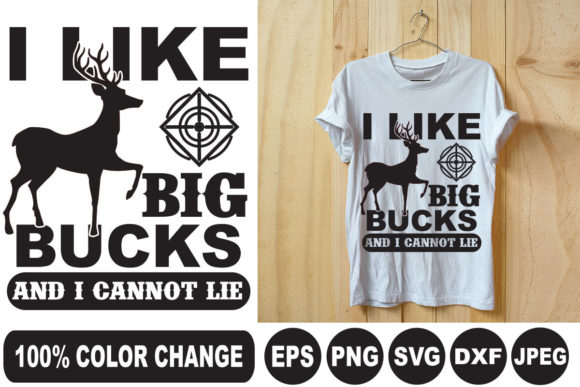
I Like Big T Shirt Design: A Hands-On Embroidery Review
When I first opened the I Like Big T Shirt Design file, I was struck by its confident simplicity. This is not a delicate, fussy embroidery project. It is bold, playful, and unapologetically direct. The design carries a cheeky, lighthearted mood that lands well on casual apparel and handmade gifts. The lettering is substantial, the layout is centered and balanced, and the overall visual personality feels like something you would reach for when you want a project that makes people smile without overthinking the stitch details. Straight away, I could see this machine embroidery design fitting into a range of real-world projects, from custom apparel to small shop merchandise. But as with any embroidery file, the real test is how it behaves under the needle.
First Impressions and the Real Case That Sold Me
I decided to test I Like Big T Shirt Design on a sturdy canvas tote bag. Tote bags are a staple in my shop, and they are also a frequent request from customers who want personalized gifts for friends or family. The bold lettering style of this design felt like a natural match for a tote that would see daily use. As I hooped the fabric and stabilized it with a medium-weight cutaway stabilizer, I noticed the design had a clean, readable structure. The satin stitch outlines and fill stitch areas were well separated, which is always a good sign for stitch clarity. After running a test stitch on scrap fabric, I was pleased with how the thread colors popped against the canvas. The mood of the finished piece was exactly what I hoped: fun, confident, and slightly irreverent. It felt like something a customer would carry with pride, whether as a personal accessory or a conversation-starting gift.
How This Design Performs Across Real Projects
After that initial tote bag test, I ran I Like Big T Shirt Design through several other project types to see where it truly shines. On a lightweight sweatshirt, the design held up well. The stitch density was moderate enough that the fabric did not pucker, and the lettering remained crisp after a gentle wash. I also tried it on a plain cotton t-shirt, and it stitched cleanly with minimal distortion. For a custom apparel run targeting boutique customers, this design delivers a professional finish that feels intentional rather than slapped on. The layout is forgiving enough that even a beginner embroiderer can get good results, yet the visual impact is strong enough to satisfy experienced Etsy sellers and small shop product makers.
I also explored using it as an embroidered patch. The design elements are large enough that trimming around the edges was straightforward, and the satin stitch border held its shape well. For crafters who sell patch kits or finished patches at fairs, this would be a reliable addition to a product line. On a baby onesie, however, I would be cautious. The design is bold and the lettering is big, so it might overwhelm a small garment unless the onesie is toddler-sized. For baby embroidery, I would recommend scaling it down or considering a smaller, more delicate alternative.
Where to Use This Design Carefully
No embroidery design is perfect for every surface, and I Like Big T Shirt Design has a few limitations worth noting. The first is hoop size. Because the design is built around large, readable lettering, you will need a hoop that accommodates the full width. If you are working with a small hoop, the design may require resizing, which can affect stitch density and clarity. Always test on scrap fabric before committing to a final piece.
Textured fabrics like fleece or thick knits can cause the satin stitches to sink or lose definition. I tested it on a fleece hoodie and noticed that the lettering lost some of its sharpness. A lightweight cutaway stabilizer and a slightly tighter tension helped, but the design is best suited to smooth fabrics like cotton, poly-cotton blends, canvas, and denim. Stretchy fabrics also require extra care. The fill stitch areas can pull if the fabric shifts during hooping. Use a firm stabilizer and consider a light topping sheet to prevent the stitches from sinking into the pile.
Dark fabric is another consideration. The default thread colors in this design may need adjustment if you are stitching on black or navy. I recommend running a black-and-white mockup first to check contrast. If you are selling finished products, a high-contrast thread palette will make the design pop and keep customers engaged. For curved surfaces like caps or beanies, the bold lettering might distort if the curvature is too tight. I would avoid using this design on small-brim caps or baby hats unless you are confident in your hooping technique.
Visual Appeal, Product Value, and Customer Trust
The finished product wearing I Like Big T Shirt Design has a distinct handmade personality. In an era where buyers are increasingly skeptical of mass-produced goods, a well-stitched embroidery design signals care and authenticity. When I listed the tote bag in my shop, I included a printable mockup that showed the design from multiple angles. Customers responded well to the clarity of the lettering and the playful tone. For craft business owners, this design can help build brand consistency if you use it across a series of products with a similar voice. It is recognition-friendly: people remember the phrase, and that can lead to word-of-mouth referrals.
From a giftability standpoint, this design works for birthdays, bachelorette parties, holiday gift exchanges, and even as an inside joke among close friends. It is not a design you would use for corporate orders or formal events, but for personalized gifts and boutique branding, it has solid commercial potential. The key is to pair it with quality materials and clean stitching. A rushed finish will undermine the charm of the design. Take the time to trim jump threads, press the fabric, and inspect the stitch quality before shipping.
Practical Designer Notes Before You Sew
Before you commit I Like Big T Shirt Design to a final product, here are a few steps I always follow with any new digital embroidery file. First, test on scrap fabric that matches the weight and texture of your final material. This is non-negotiable. Second, check the stitch density. If the design feels too dense for your fabric, consider reducing the density in your software or switching to a lighter fill stitch. Third, inspect the small details. Machine embroidery design files with large lettering can sometimes hide subtle misalignment in the stitches. Run the design at slow speed on a test hoop to catch any issues.
Thread color contrast is another critical element. I always run a black-and-white mockup of the design to see which areas rely on contrast. If the design uses multiple thread colors, make sure they are distinct enough to read from a distance. For dark fabrics, light thread colors work best. For light fabrics, dark or bright thread colors create the strongest visual impact. I also recommend verifying the hoop size requirements before cutting fabric. If the design is too large for your hoop, you may need to resize it, but resizing can affect stitch counts and detail clarity. Always test the scaled version before stitching a final product.
Finally, check the licensing terms before you use this design for commercial purposes. If you are an Etsy seller or creative entrepreneur, confirm whether the embroidery file allows you to sell finished products or if it is restricted to personal use only. Many digital product sellers offer designs with a commercial license, but it is your responsibility to read the terms. I have seen too many crafters run into trouble because they assumed a design was free for commercial use when it was not. When in doubt, ask the seller directly. For apparel decorators and small business owners, this step protects your shop and your reputation.
Overall Verdict for Makers and Shop Owners
I Like Big T Shirt Design is a reliable, crowd-pleasing machine embroidery design that earns its place in a well-rounded project lineup. It performs best on smooth, stable fabrics and in medium to large hoop sizes. Its bold, playful personality makes it a strong fit for custom apparel, tote bags, sweatshirts, and boutique merchandise. It also works well as an applique design if you prefer fabric layers over dense fill stitching. For handmade product sellers, this design adds a voice to your product line that shoppers remember. Just be mindful of its limitations on textured or stretchy fabrics, and always test before you commit to a large batch. With the right stabilizer, thread contrast, and hooping technique, this design will serve you well across many projects, from personalized gifts to small shop bestsellers.